
Sex Offender Checks in Mesa County
The Colorado Sex Offender Registry is the main public source for Mesa County. The Colorado Bureau of Investigation manages the statewide system. Search is free. Use a name when a specific person is known, or a location search for community awareness around a Mesa County address.
The local registering agency is the second channel. Mesa County Sheriff handles registrations within its jurisdiction, while Grand Junction, Fruita, and Palisade police may handle people in their jurisdictions. CBI also offers an Adult Registered Sex Offender Request Form for broader lawful requests that are not met by the internet display. A request can carry a fee.
Mesa Local Registration Agencies
Registration, address changes, and verification are agency tasks. A profile's jurisdiction field helps identify the right Mesa County contact. Questions about appointments or local compliance belong to the Sheriff or relevant city police unit. Questions about the underlying conviction belong to the convicting court.
Colorado requires periodic registration. Specified higher-risk or lifetime categories may report quarterly, while many others commonly report each year and when details change. Do not assume every profile follows one schedule. The controlling offense, adjudication, repeat status, sexually violent predator designation, and court relief all matter.
Jurisdiction matters within Mesa County. A person registered with a city police department may not use the Sheriff's office for routine verification. Read the agency contact on the current profile before calling. When a person moves, the old address may remain visible until the legal update and source-system steps are complete. The public should report a concrete concern through the official Mesa County agency channel rather than drawing a conclusion from timing alone.
Mesa County Sheriff
215 Rice Street
Grand Junction, CO 81501
970-244-3500
How to Search the Colorado Registry
Start with the narrowest reliable detail. A last name works for a person search. Add the first name to separate common matches, and remember that aliases can require another search. For a location check, enter a full address and choose one of the radii shown by the live portal. Record the date because addresses and compliance status change.
- Open the official CBI registry and accept its terms.
- Choose a name or location mode and enter the known details.
- Review both list text and map context without guessing which dwelling unit a marker represents.
- Open the profile and check jurisdiction, address type, status, and update date before the offense summary.
| Search field | Type | Required | Use |
|---|---|---|---|
| Last Name | Text | Varies by mode | Starts a name search |
| First Name | Text | No | Narrows a name |
| City | Text/dropdown | No | Grand Junction, Fruita, Palisade, or another place |
| County | Dropdown | No | Select Mesa |
| ZIP Code | Text | No | Limits a location |
| Address and Radius | Text/dropdown | Radius mode | Uses live distance options |
Mesa Radius Results Have Limits
An address-radius result supports neighborhood awareness. It does not promise that no unlisted risk exists. Some people or data are omitted from internet display under Colorado law. Addresses can change between verification cycles. Transient registrants follow different reporting rules, and a map marker should not be read beyond what CBI itself publishes.
If a profile says unconfirmed or noncompliant, do not investigate. Report the concern to the registering agency or CBI. Call 911 only for an imminent threat. This preserves safety and lets trained officers check the facts.
Inside a Registry Profile
A public profile combines identity descriptors, registration details, and a compact offense summary. Read the update and photograph dates. A conviction date is not always the registration start date, and an offense label may not tell the full factual story. The registry never replaces the actual court judgment.
| Name and aliases | Published names used to distinguish possible matches. |
|---|---|
| Photo and description | Registration photograph plus authorized physical traits and marks. |
| Registered address | Published location, address type, and registering jurisdiction. |
| Offense information | Description, statute, conviction date, and jurisdiction when public. |
| Status | Compliance and registration dates as the system reports them. |
| Other public fields | Vehicle details and agency contact may appear when authorized. |
The official CBI detail layout shows how these categories are arranged.
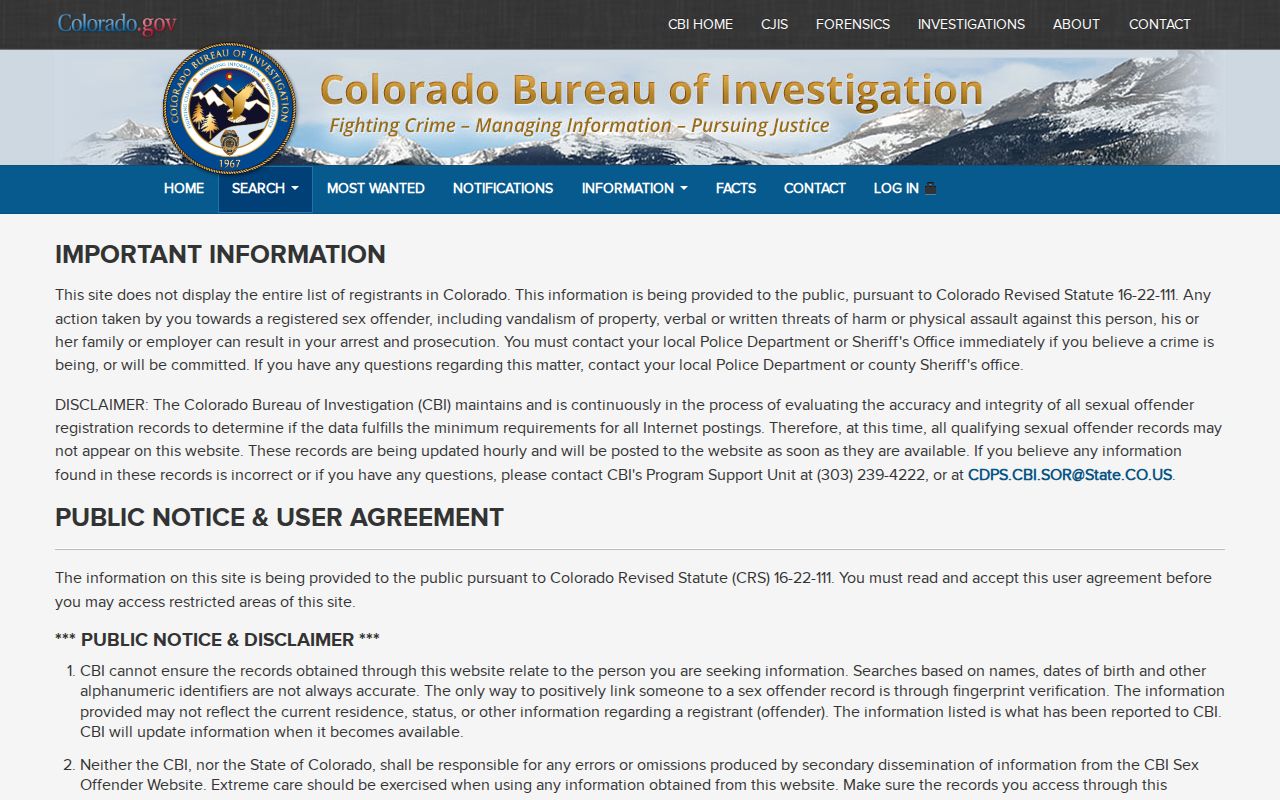
The screen supports field-by-field reading without turning a public-safety record into a private dossier.
CBI's Mesa Registry Role
The CBI Sex Offender Registration Unit manages state registry functions, request routes, and fugitive information. Local agencies collect and verify registration data, then the state public system presents information permitted for internet release.
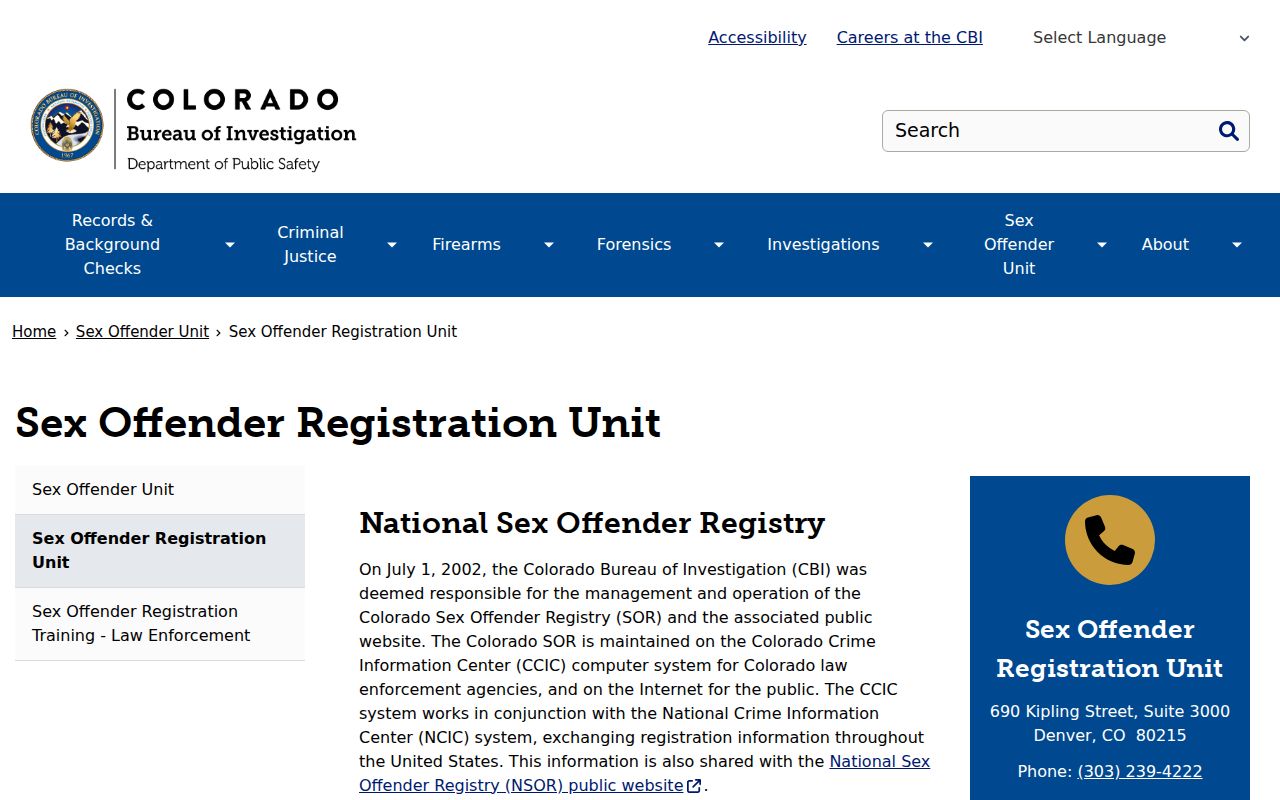
This agency view helps separate CBI's statewide role from Mesa County's local registration and compliance work.
A current sex-offender-registration notation may also appear in Colorado CBI criminal history information. That notation is not a substitute for the registry profile or the court file. Each record answers a different question.
Colorado Registration Levels and Requirements
Colorado should not be forced into a generic federal Tier I, II, and III chart. Public display, reporting frequency, and duration depend on state statutes and the individual legal category. Eligible people may petition to discontinue registration after the statutory period under C.R.S. § 16-22-113. The court, not a web label, controls relief.
| Colorado category | Public or verification effect | Duration or relief |
|---|---|---|
| Sexually violent predator | Heightened public and community notification | Generally lifetime unless law or court provides otherwise |
| Multiple convictions or specified serious offenses | Enhanced or quarterly duties may apply | Often lifetime |
| Other adult registrant | Display depends on statutory internet criteria | Petition timing varies by offense |
| Juvenile adjudication | More restricted and court-specific | Relief rules differ |
Exact duties must be confirmed from the statute, the registration agency, and the court record. An annual or quarterly pattern alone does not prove a risk label.
CBI Registry Versus NSOPW
The National Sex Offender Public Website joins data from participating jurisdictions. It is useful when a person may have moved across state lines. CBI and the local registering agency remain the first status-verification channels for a Colorado record.
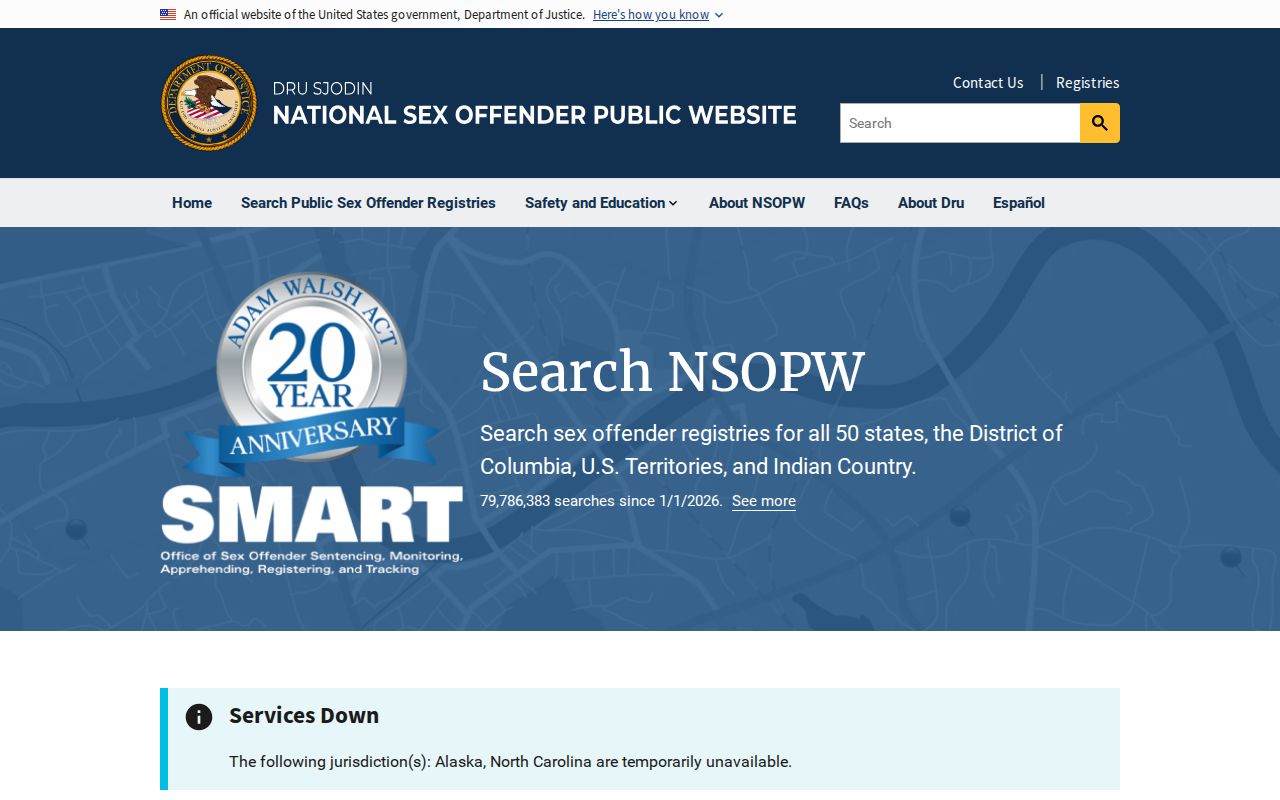
The national search adds geographic reach, while the Colorado source remains closer to Mesa County registration updates.
A mismatch can reflect source lag, restricted internet display, or a system issue. Report it to the official unit. Neither portal lists every person who may pose a danger or every past offense.
When Mesa Status Looks Wrong
First confirm the profile belongs to the right person. Check aliases, jurisdiction, photograph date, and update date. If the profile shows noncompliance or an address issue, contact the named registering agency. Do not follow, confront, or publish claims about the person.
When CBI and NSOPW differ, save the search date and report the discrepancy. Use the convicting court for the judgment because the registry is only a status summary. If broader official data is needed, follow CBI's adult-list request route and its current payment and mailing instructions.
The separate adult-list request asks for requester identity and mailing details, the wanted geography or person criteria, a signature and date, and the delivery or payment information shown on the current form. It may reach information that Colorado does not place in the general internet view. That access route still does not authorize republication, confrontation, or an unsupported claim about any Mesa County resident.
For an error in the underlying offense text, begin with the convicting court and the agency named in the profile. For an address or verification concern, begin with the registering police or sheriff unit. Keeping those two routes distinct gives Mesa County staff the facts they are actually able to verify.
Community Notification and Lawful Use
Registry data supports safety planning and community awareness. Community notification, when Colorado law requires it, is a law-enforcement function. C.R.S. § 16-22-110 structures public release of registry information. Threats, harassment, intimidation, discrimination, and vigilant action remain outside lawful use.
Use registry data lawfully: Misusing Colorado registry information to harass, threaten, or intimidate a registrant or household can violate criminal law. Report concerns to law enforcement.
For broader context, official FBI Crime Data Explorer tables distinguish incidents, offenses, arrests, and clearances.
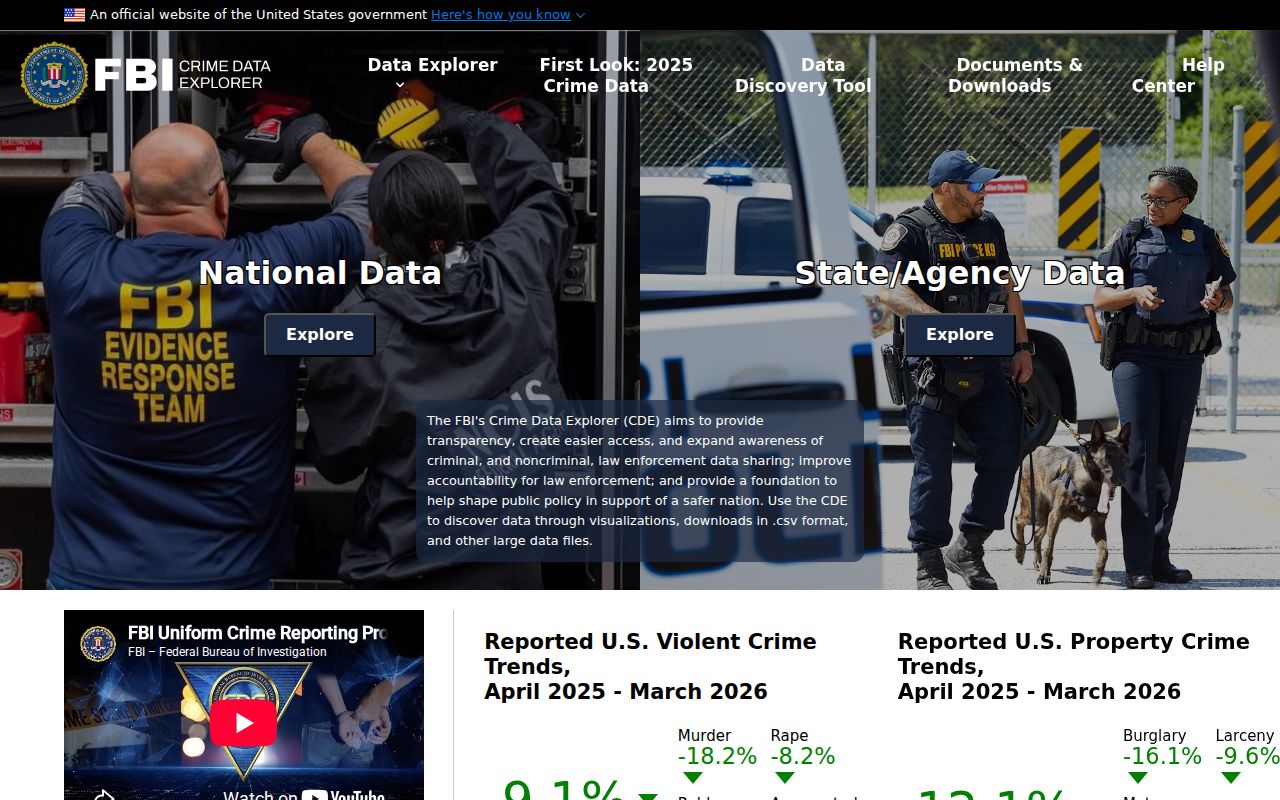
The statistics source reinforces an important rule: registry counts must not be treated as a crime rate or proof about a neighborhood.
Note: Search results support informed caution, but only official agencies can verify a current address, compliance concern, or required community notice.